

Harrow Road Pop-up Branch
TIME
2019
LOCATION
Westminster, UK
TEAM
Katja Lichtenstein (Smart distribution)
A partnership with Westminster Council, our Harrow Road pop-up 'branch' was an in-community research space designed to explore the role of banks in local communities and small businesses. At a time when record number of bank branches were closing, and high streets were struggling, the project tested how a “community branch” model could support financial inclusion and local regeneration.
Creating the Space
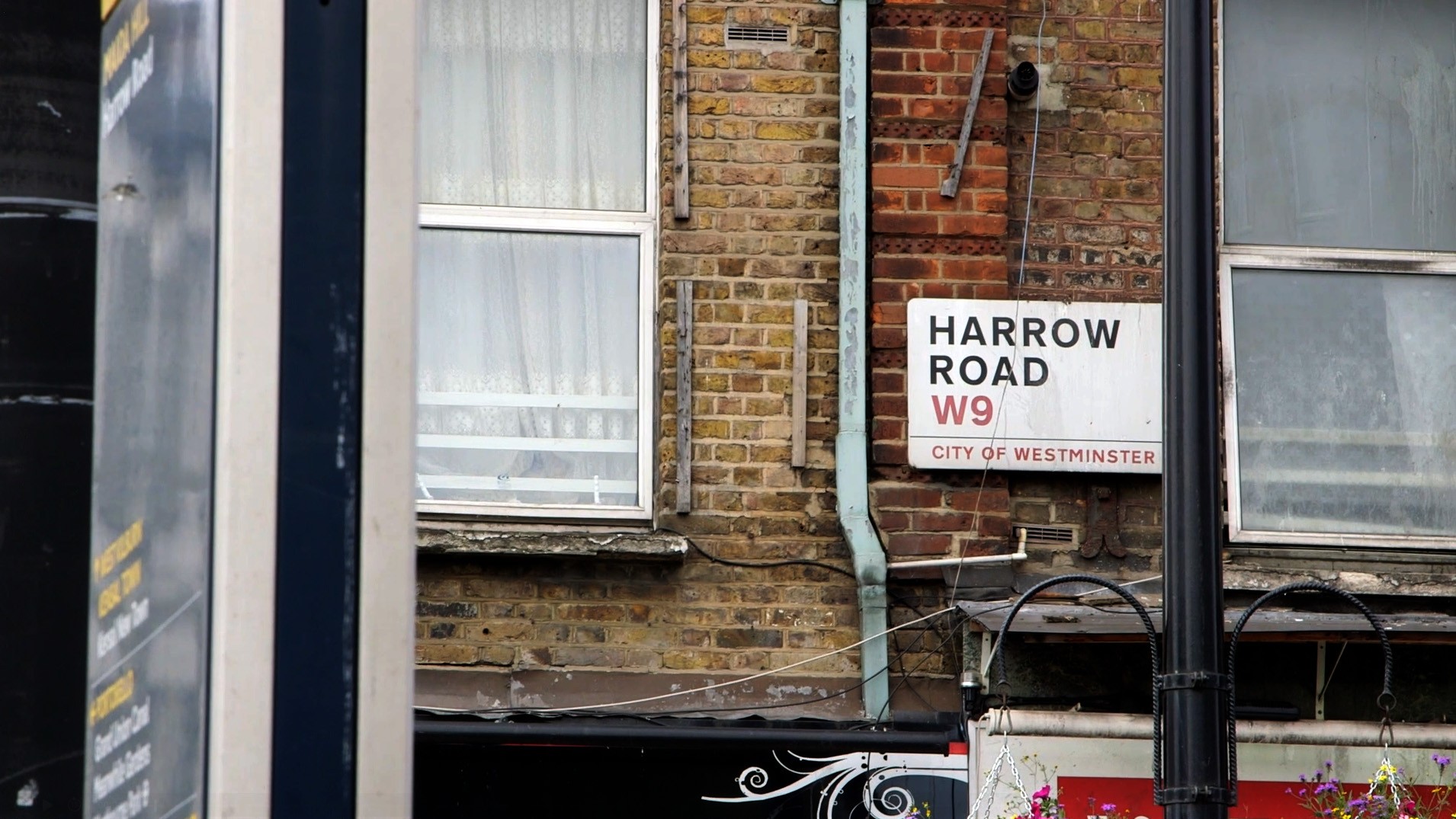
The Dozens pop-up branch ran for four months in 2019. It was sited in Maida Hill, corner of Westminster that was a contrast to other wealthier areas of the borough and a lot more like a regular high street.
We rented a building, ironically opposite an derelict bank branch, and turned it into a welcoming space for community events, activities and discussions.


Building trust with the community
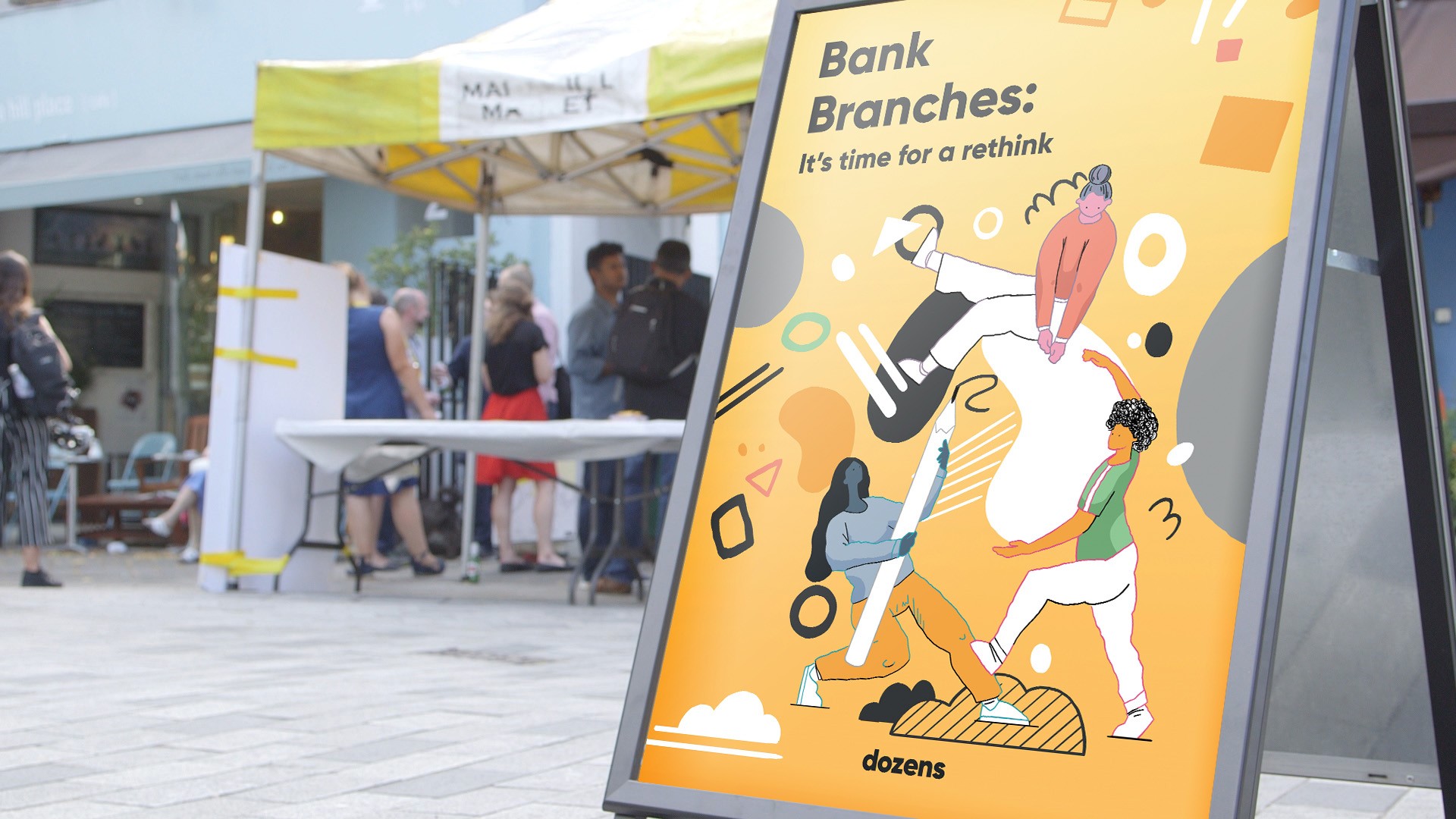
The pop-up involved various local stakeholders. As well as Westminster council we also liaised with local community groups (e.g. Community Health Champions, Residents Association, Maida Hill Forum), and built relationships with local characters.
The community tended to feel they were the somewhat neglected corner of the borough and had seen a few attempts to rejuvenate things not come to fruition. So trust wasn't there at the start. To try and position myself as less of an outsider – I moved in locally. This allowed me build a better relationship with people and meant our research was 24/7.


Research activities
Our approach to engagement was typically agile, in that it constantly responded to findings at early events, to spatial and budget constraints, as well as to discussions with WCC.


QUESTIONNAIRES
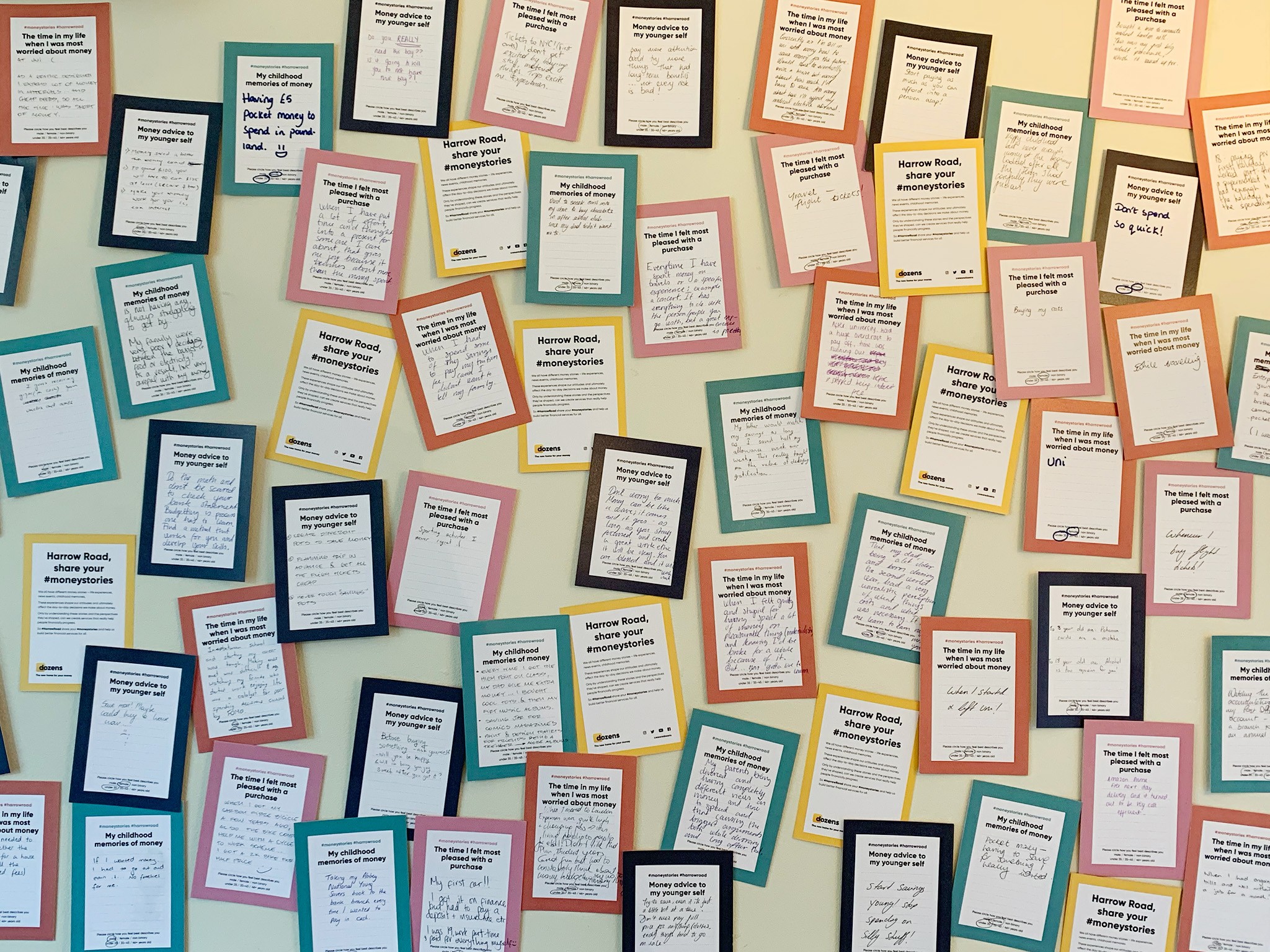
Together with WCC we designed surveys for both residents and businesses to collect feedback and ideas from the community. These were handed out during the events we organised and also up and down Harrow Road.
EVENTS
We used events as a platform to engage with and learn from the community. Events ranged from co-creation sessions for future bank branches to education sessions on digital skills and finance. The smaller events were held at our space in Maida Hill Place, the larger events were hosted in venues along Harrow Road – such as Paddington arts and London Print Studio. We recruited participants for the events from the local area through posters, and digital recruitment via Facebook and Eventbrite.
INTERVIEWS
When people were willing we filmed interviews. This enabled them to feel like they’re really being given a platform and also provided content that we can use to provoke further discussion. We also conducted and filmed interviews with local business owners on Harrow Road. It allowed us to gather qualitative data.
INFORMAL CHATS
The more time spent spent in the space, the more trust we gained amongst locals, business owners and other stakeholders and many of our greatest insights were through these informal conversations. While these are not recorded - to retain spontaneity and openness, we made notes immediately after each.
Outcomes
The research project established Dozens’ reputation for socially-grounded innovation and contributed to Dozens becoming a finalist for the UK’s BCR Capability and Innovation Fund.
The insights influenced Dozens business strategy – emphasising role of community and potential for physical spaces, the 2.0 app design (for business banking), and financial education content.
We also presented a range of insights and suggested actions to Westminster Council which contributed to the Maida Hill Neighbourhood Plan.